


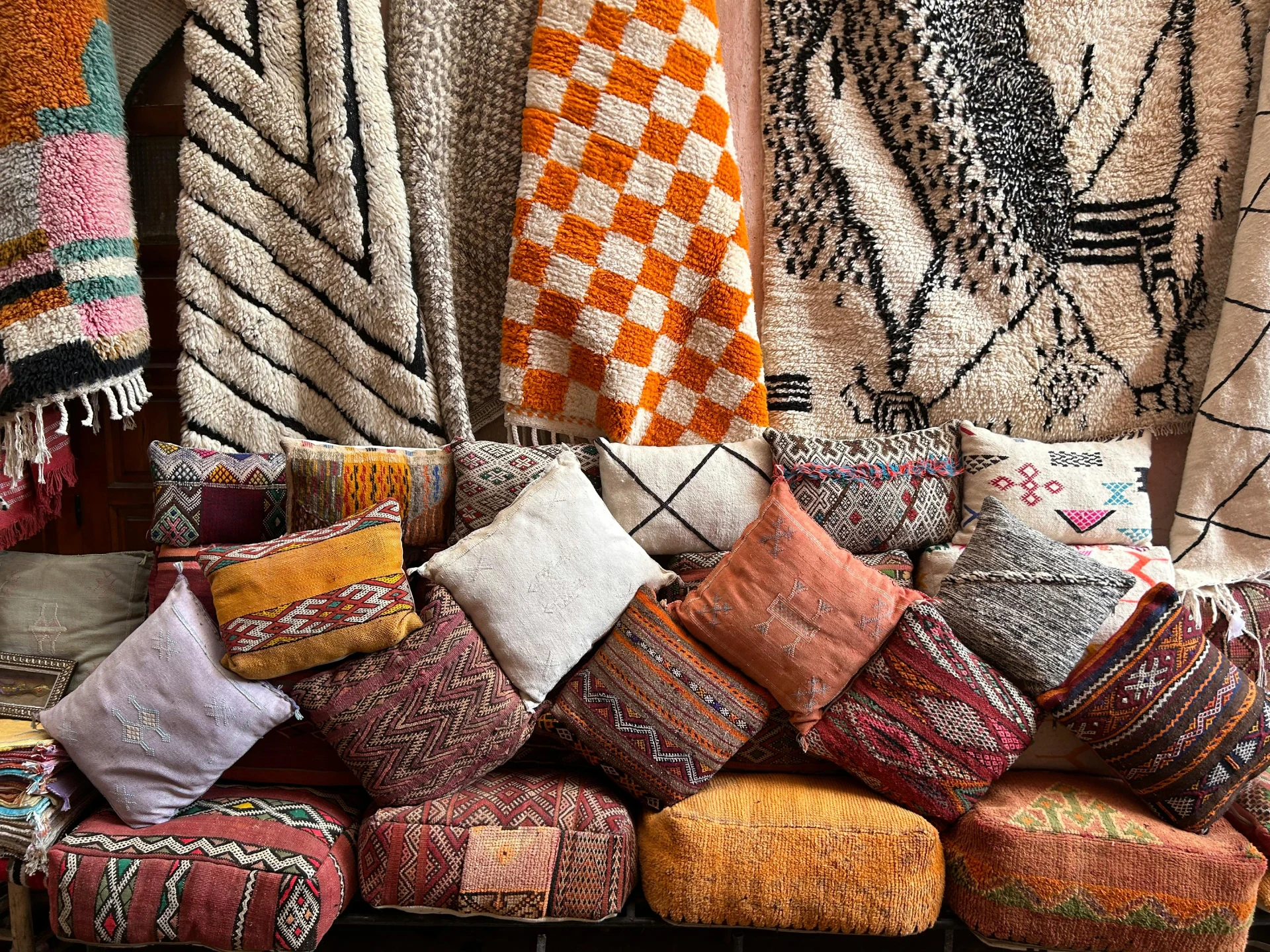
A Tapestry of Comfort: Cushions in Every Style and Shade
At Pars Rug Gallery, we believe a cushion is never just a cushion — it’s a work of art, a conversation starter, and the finishing


Have you ever entered a beautifully designed room, only to sense something felt subtly amiss? More often than not, the issue lies with the rug — either too small, too large, or simply ill-proportioned. A well-chosen rug not only enhances the ambience but also grounds the space, adding warmth, cohesion, and visual harmony.
So, how does one choose the perfect rug size?
In this definitive rug size guide, we’ll walk you through everything you need to know — from standard rug dimensions to tailored recommendations for each room in the home. Whether you’re selecting a rug for the living room, bedroom, or dining area, this guide will help you make informed, stylish choices that complement your interior.
By the end, you’ll understand the subtle art of rug placement and size selection — essential knowledge for creating interiors that feel balanced, curated, and effortlessly elegant.

Selecting the correct rug size is not merely a matter of taste—it is an essential design decision that can transform the ambience and harmony of any room. An impeccably chosen rug becomes more than a floor covering; it becomes the very foundation upon which the room’s character is built.
Interior designers understand that a rug can serve as a unifying element, anchoring furnishings and establishing balance within a space. It has the power to make a room feel expansive or intimate, grand or serene. When proportioned correctly, a rug enhances spatial perception and elevates the sophistication of the entire setting.
The right size is paramount. A rug that is too small can appear misplaced, disrupting the visual flow and diminishing the intended aesthetic. Conversely, a rug that is too large can overpower the décor, overwhelming the architecture and furnishings. Striking the perfect balance ensures a seamless dialogue between rug, furniture, and surrounding elements.
Rugs, when thoughtfully selected, act as the silent partners of interior design—effortlessly tying together colour palettes, textures, and furniture arrangements. When the ideal rug is placed, it often feels as though every detail—from wall hues to light fixtures—naturally falls into place
As one advances in the art of interior arrangement, it becomes essential to grasp the nuances of standard rug dimensions and their impact on spatial harmony. Rug sizing is not merely a matter of measurement, but a design language in its own right—one that speaks of proportion, balance, and atmosphere.

Rugs measuring approximately 4×6 feet or smaller are ideally suited to more intimate settings. Think of a well-appointed powder room, a refined kitchen corner by the sink, or the transitional elegance of an entryway or patio threshold. These petite pieces bring charm and functionality to often-overlooked areas.
With dimensions of 5×8 or 6×9 feet, medium-sized rugs strike a poised balance. Perfect for living rooms and bedrooms, they define a focal area without overwhelming the visual field—ideal for seating arrangements that welcome conversation, or bedrooms seeking a warm underfoot experience.
Ranging from 8×10 to 9×12 feet, large rugs possess a commanding presence. They anchor a room’s design scheme, unifying furniture elements into a coherent ensemble. Such pieces are best reserved for expansive spaces where they can define zones and elevate the aesthetic of the entire room.
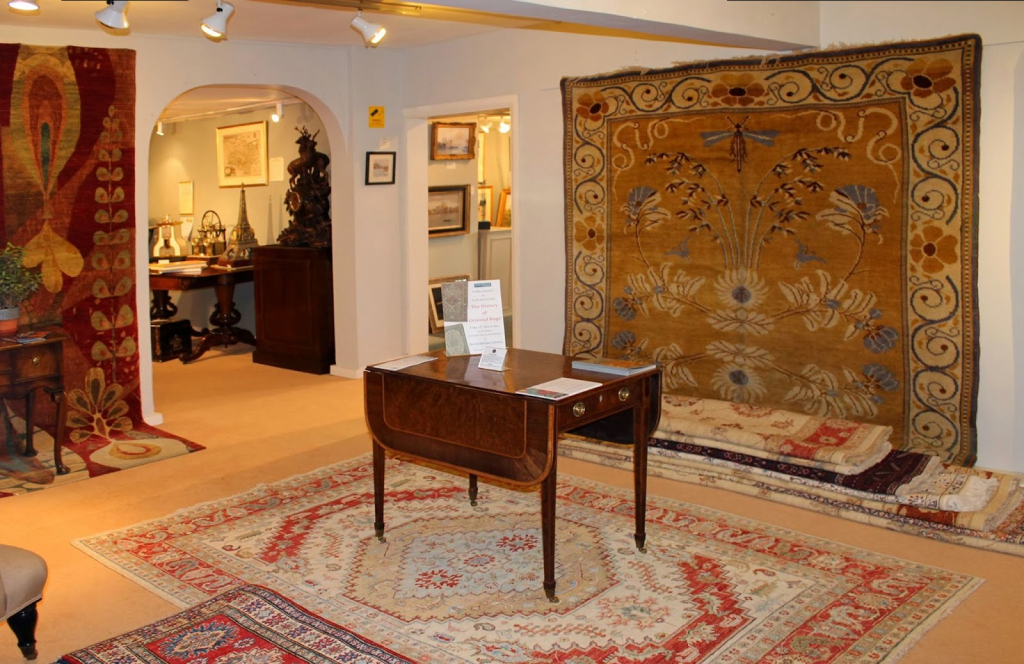
Standard dimensions, while widely available, may not always suit the unique proportions of a bespoke interior. At Pars Rug Gallery, we are proud to offer custom rug solutions, crafted to complement your space with precision and elegance. Whether adapting a classic Persian motif or tailoring a contemporary piece, our artisans ensure every creation is as individual as your vision.
Among the most frequently asked questions by discerning homeowners and design connoisseurs is: “How does one correctly measure a space for a rug?”
Fortunately, the process is both straightforward and essential—laying the foundation for a cohesive, refined interior.
Begin by taking precise measurements of the room’s length and width using a reliable measuring tape. For example, in a living room measuring 15×20 feet, these dimensions suggest suitability for a large rug—such as 8×10 or 9×12 feet—that will provide proportionate coverage without compromising visual balance.

The next step is to measure around the principal furniture pieces. Your rug should frame and unify these elements—whether it be a sofa ensemble, dining table, or reading nook. A well-sized rug allows furniture legs (particularly the front ones) to rest gracefully on its surface, grounding the setting with elegance and structure.
A hallmark of sophisticated design is negative space. Always allow for a border of visible flooring—typically between 18 to 24 inches—around the perimeter of the rug. This preserves architectural balance and frames the rug as an intentional feature within the space, rather than an afterthought.

By carefully measuring both the room and its furnishings, one ensures that the selected rug enhances—not overwhelms—the space. For those who demand precision beyond standard sizes, Pars Rug Gallery offers bespoke rug solutions, allowing for immaculate tailoring to even the most unique floorplans.
Every room has its unique requirements and selecting the appropriate rug size can enhance the functionality of the space even more. So, here’s a breakdown of the ideal rug sizes for various rooms and seating arrangements:
Rugs in the living room truly define the seating areas while making the space appear inviting.
To create a cohesive look your living room rug size should be large enough to reach under the front legs of all the major furniture. Common sizes for such a set-up are 8×10 feet (240 x 300 cm) or 9×12 feet (270 x 365 cm).

When opting for a smaller area rug, placement is paramount to preserve harmony and proportion. A well-sized rug positioned beneath a coffee table can beautifully anchor a seating arrangement, creating the illusion of greater spaciousness while maintaining cohesion. For such purposes, the most suitable dimensions are typically between: 5×8 feet (approximately 150×240 cm), 6×9 feet (approximately 183×274 cm)
These sizes lend themselves particularly well to living rooms where a modest footprint is required but visual impact remains essential. Placed with intention, a smaller rug offers elegance without overwhelming the surrounding décor.

For smaller seating areas, a rug measuring approximately 5×8 feet (150×240 cm) is often ideal. This dimension allows the rug to elegantly delineate the space without overwhelming it, providing both comfort and visual harmony.
To achieve a refined and cohesive look, ensure that the front legs of your chairs or sofa rest upon the rug. This creates a unified arrangement, grounding the furniture while maintaining a sense of openness.

Introducing a rug beneath your dining table not only elevates the aesthetic of the room, but also enhances comfort underfoot while adding visual warmth through colour, texture, and pattern. For clarity on dimensions and configurations, please refer to our Dining Table Rug Size Chart in the images below.
To maintain proportion and functionality, your rug should extend approximately 24 inches (60 cm) beyond the edges of the dining table on all sides. This ensures that chairs remain fully on the rug, even when pulled out—preserving visual continuity and protecting your flooring. Recommended Rug Sizes: 8×10 feet (244×305 cm), 9×12 feet (274×365 cm)
These sizes work beautifully with most rectangular tables and offer sufficient room for chair movement without compromising the room’s flow.
If your table accommodates a larger party, a 9×12 feet (270×365 cm) or even larger rug is typically required. This ensures all chairs remain anchored and the ensemble appears thoughtfully composed.

For round dining tables, opt for rugs that mirror the table’s shape. Ideal dimensions include: 6×6 feet (183×183 cm), 8×8 feet (244×244 cm). These maintain a pleasing symmetry and define the dining area with elegance.

In the bedroom—a sanctuary of rest and repose—rugs serve not only as soft landings but also as stylistic anchors. Choosing the correct rug size is essential to establish balance, warmth, and quiet luxury.
To achieve an elegant, well-composed aesthetic, we recommend that room-sized rugs extend approximately 18 to 24 inches (46 to 61 cm) beyond the sides and foot of the bed. This framing effect creates a defined visual perimeter and contributes to the overall comfort and harmony of the space. Recommended Rug Sizes: 5×8 feet (152×244 cm) — Suitable for smaller rooms or under double beds, 8×10 feet (244×305 cm) — Ideal for queen or king-size beds, offering a luxurious underfoot feel while maintaining spatial proportion. This arrangement gracefully delineates the sleeping zone while adding texture and visual warmth—enhancing both style and serenity.
The choice of rug size beneath a bed—particularly king or queen size—is integral to achieving a polished, luxurious bedroom interior. When proportioned correctly, a rug enhances comfort while lending structure and symmetry to the room.
King Size Bed: For a king-size bed, a rug measuring approximately 9×12 feet (270×365 cm) offers excellent coverage. This size ensures generous extension at the foot and sides of the bed, accommodating nightstands if desired, and creating a grand, cohesive foundation.
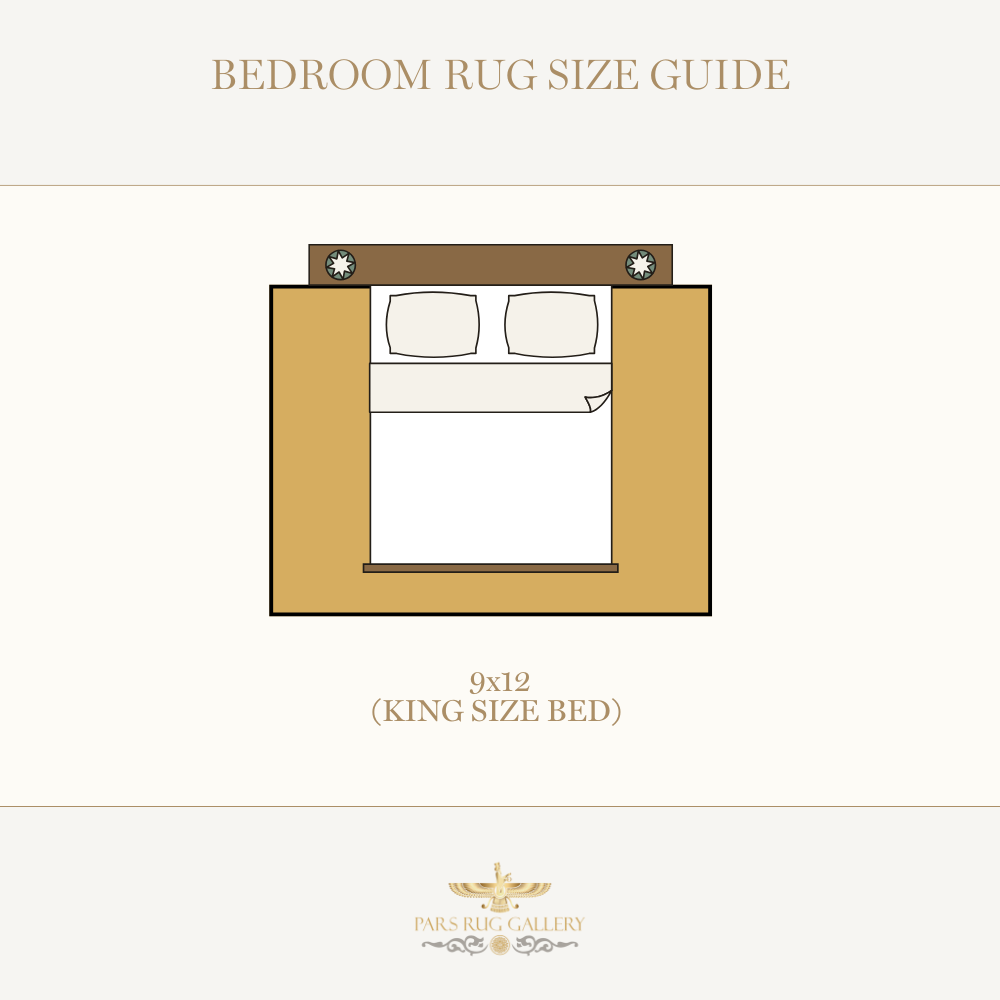
Queen Size Bed: A rug size of 8×10 feet (240×300 cm) is typically sufficient beneath a queen-size bed. It provides balanced framing, softens footfall, and helps to define the sleeping area without overwhelming the room’s proportions.
These recommendations strike the ideal blend of practicality and refinement, making the bedroom a space of both visual harmony and tactile comfort.

When furnishing rooms with twin or full-size beds, selecting the correct rug size ensures both functionality and visual grace. These configurations are particularly suited to guest rooms, children’s rooms, or compact sleeping spaces, where balance and proportion are key.
Twin Bed: A rug measuring 5×8 feet (150×240 cm) sits beautifully beneath a twin bed, providing a soft surface for stepping out while subtly defining the area without crowding the space.
Full Bed: For a full-size (or double) bed, a 6×9 feet (180×275 cm) rug offers a well-proportioned foundation. This dimension allows for a graceful border around the bed, creating a composed, finished appearance.
These choices enhance the overall comfort of the room while reinforcing a sense of curated elegance and thoughtful design.

Choosing the ideal rug size for your entryway is a subtle yet significant detail in interior composition. A well-placed entry rug not only introduces warmth and refinement from the moment one steps through the door, but also offers practical protection for your flooring.
A rug measuring approximately 4×6 feet (120×180 cm) is typically well-suited for most entryways. It provides sufficient coverage for guests to comfortably wipe their feet, while simultaneously setting a gracious tone for the home’s interior.
This modest dimension introduces texture and elegance to the threshold, blending utility with sophisticated style—making a memorable first impression.

In a space as functional as the kitchen, a well-chosen rug does more than simply soften the step—it brings warmth, texture, and a layer of refinement to one of the home’s most active environments.
For elongated or galley-style layouts, a runner rug measuring approximately 2×8 feet (60×240 cm) is ideal. It fits neatly along the length of the cabinetry, offering both comfort and visual flow without obstructing movement.

In larger or open-plan kitchens, a 4×6 feet (120×180 cm) rug defines the space while enhancing its character. Placed strategically beneath a breakfast nook or island, it introduces cohesion and warmth to the wider layout.
Rugs in the kitchen should be both practical and aesthetically pleasing—resilient underfoot yet refined in design.

Once you’ve determined the appropriate rug size for your space—be it a statement living room rug size or a tailored bedroom rug size—it is time to turn your attention to the matter of style. At Pars Rug Gallery, we understand that choosing a rug is not merely about rug measurements, but about selecting a piece that complements and elevates the ambience of your interior.
Whether your design sensibility is rooted in classical sophistication or leans towards modern minimalism, selecting the right rug style can transform a room from merely functional to unquestionably exquisite.
Patterns: Crafting a Visual Centrepiece

A rug with a striking motif can anchor a space and become a focal point in the décor. When selecting rug sizes for living room or room size rugs, consider the scale of your chosen pattern. Larger patterns lend themselves beautifully to open-plan or grand rooms, while smaller or repeating patterns suit more intimate spaces.
As noted by designer Jonathan Adler, “A bold rug pattern is like jewellery for a room—but scale and proportion are key.”
Colour and Texture: The Interplay of Light and Luxury
A standard rug size in a lighter hue can visually expand a room, creating an air of serenity and openness, while darker shades offer a cocooning warmth—ideal for snug, refined spaces. Similarly, textures can create a multi-sensory experience: the dense plushness of wool, the lustrous sheen of silk, or the tactile weave of jute each contributes to the overall effect.
The correct rug size paired with an intentional colour and texture selection ensures your rug is not only a visual asset but a tactile indulgence.
From grasping standard rug sizes to understanding how to measure a room for carpet, every detail contributes to achieving both function and finesse in your interior spaces. A well-proportioned rug is more than a foundation—it is the frame that harmonises your furniture, architecture, and aesthetic vision.
Imagine stepping into a drawing room where the rug size for the living room is impeccably balanced, the textures are inviting, and the proportions echo timeless sophistication. That, truly, is the hallmark of a considered and elegant home.
Whether you are selecting a bedroom rug size to soften your morning step or consulting the dining table rug size chart to anchor a formal setting, precision is paramount. Even seemingly modest details such as rug measurements or how to choose rug size can make all the difference between visual clutter and interior harmony.
Should you feel uncertain about what size rug suits your space best, Pars Rug Gallery is at your service. Our curated collection of room size rugs—from rare antique carpets to modern bespoke creations—caters to refined tastes and bespoke requirements alike.

At Pars Rug Gallery, we believe a cushion is never just a cushion — it’s a work of art, a conversation starter, and the finishing
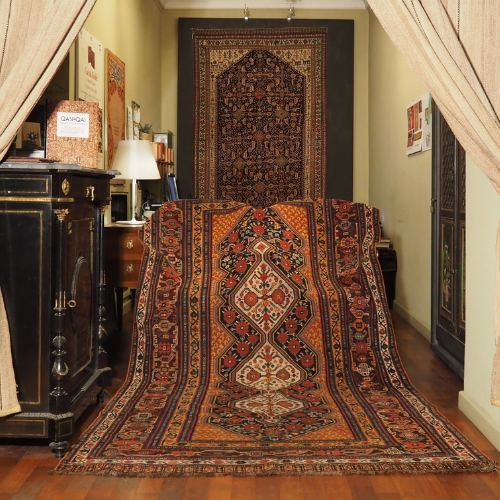
In the world of rug restoration, there are moments that feel like pure privilege—moments when a piece arrives not just as a textile, but as
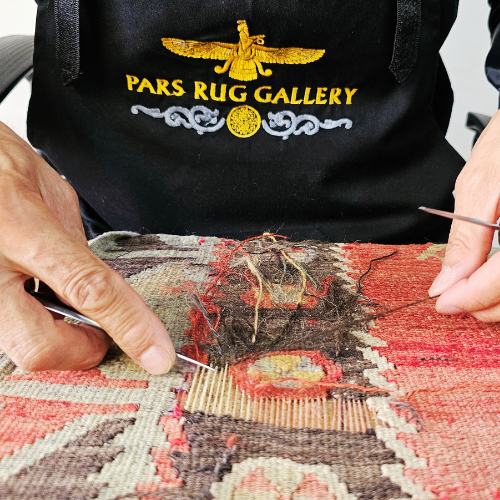
At Pars Rug Gallery, we regularly receive rugs that have journeyed through generations—each one carrying not just fibers and knots, but history, memory, and value.

Rugs possess not only aesthetic beauty but also historical and artistic significance. Whether a timeless Persian heirloom, a finely woven modern piece, or a striking
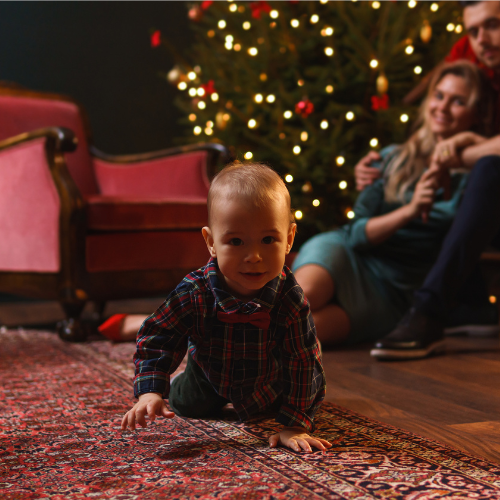
In the refined setting of a well-appointed home, a rug does far more than simply cover the floor—it becomes a canvas of comfort, character, and